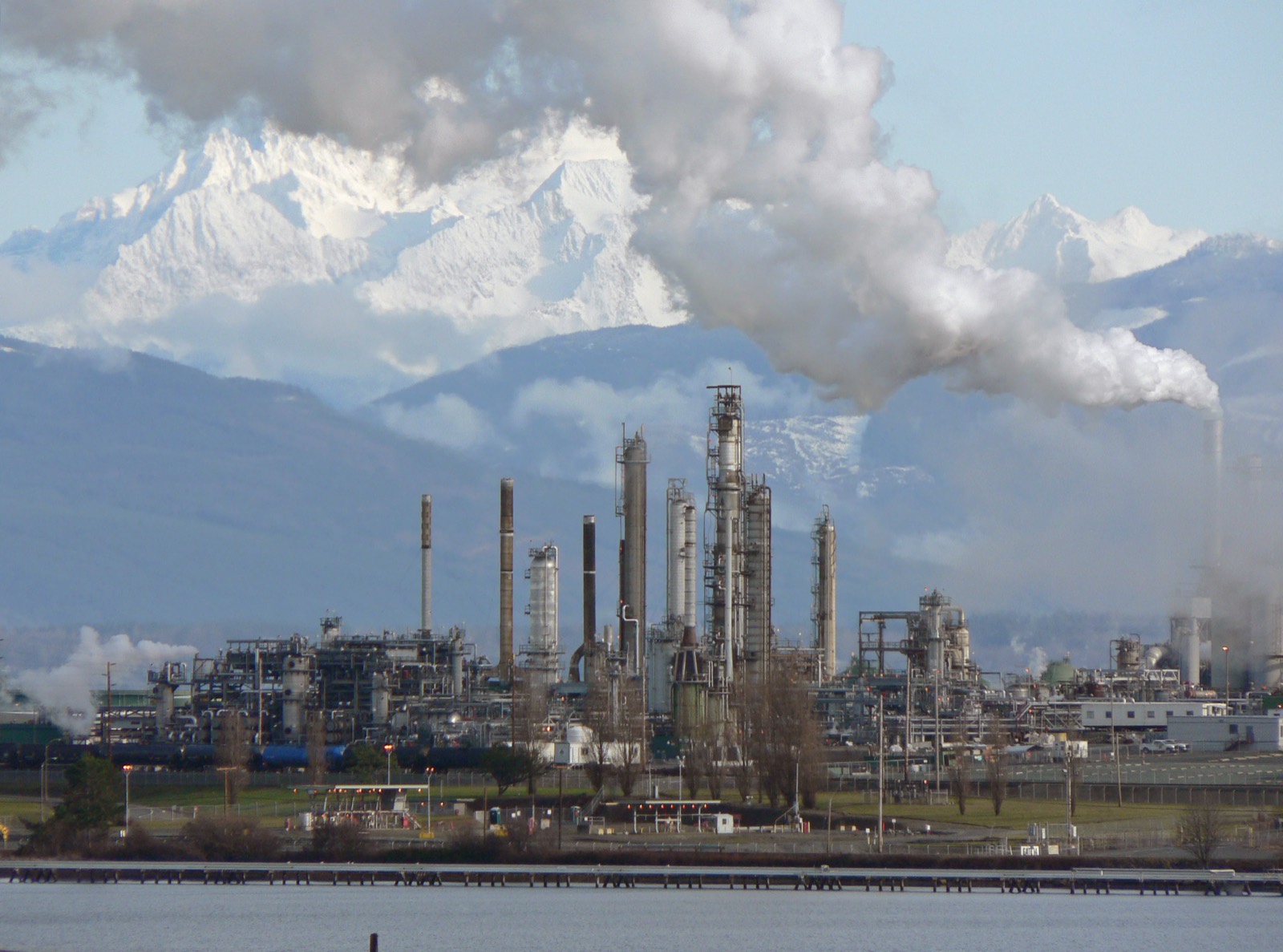
We deploy frontier AI in process plants.
AI for time-consuming technical work across operations, maintenance, safety and procurement.
From preparing isolation plans and supporting incident investigations to cleaning materials data and comparing vendor bids.
We work directly with your plant’s documents and systems, and help your engineers run their most complex work. They review and approve the outputs.
Get a demo- Documents in
- Read
- Compared
- Questions drafted
- For review
Sources
Cooling water pumpBid evaluation
3 criteria shown of 41| Criteria | Requirement | Vendor A | Vendor B |
|---|---|---|---|
| Duty point | Flow 1,200 m³/h Head 42 m | Meets specification | |
| Materials | SS 316 (wetted parts) | Meets specification | |
| Testing | Hydrostatic test per API 610 | Meets specification |
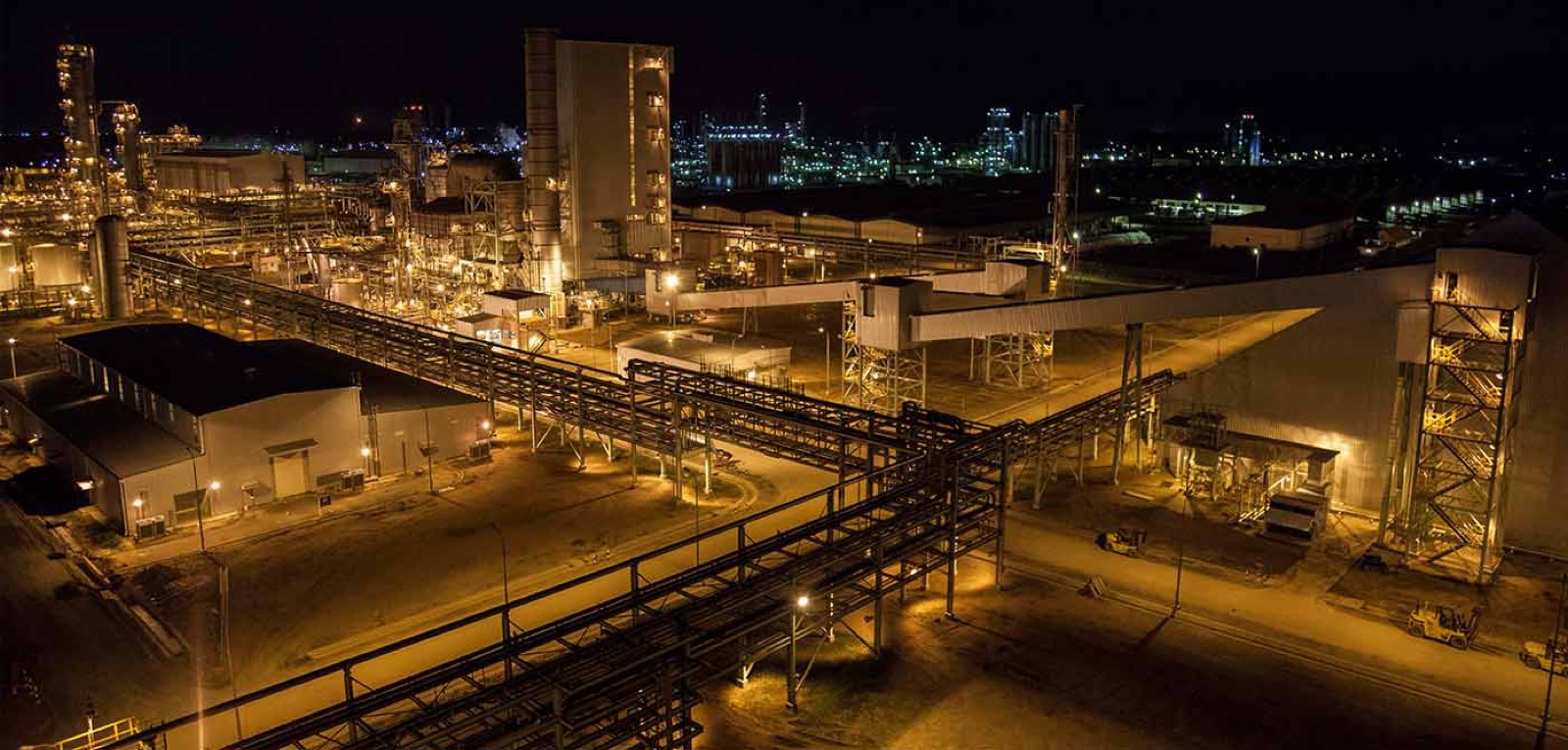
 Deployed in production
“Raven helps us make correct decisions much faster.”Sr. Manager, Ammonia Plant · IndoramaRead the customer story
- 10 units
- Plant units processed
- 10,000+ documents
- Connected to their assets
- 1,000+ users
- Across four functions
Three products, one connected model of your plant.
Raven Knowledge
Your plant's documents, assets and records, connected, for every team that looks things up.
Raven Work
AI agents that prepare and check technical work for operations, maintenance, materials and projects teams.
Raven Incident
Reporting, investigations and corrective actions, for Safety & EHS teams.
Put Raven to work across your teams.
Every change and every permit, checked against the drawings.
- All solutions
- Documents in
- Checked
- Finding
- For review
Isolation list checked against the drawing
Raven is checking| Isolation point | On the P&ID | Finding |
|---|---|---|
| V-201 outlet | Yes | Listed |
| FCV-1102 | Yes | Listed |
| XV-218 drain | Yes | Missing from the permit |
From building the plant to running it.

Greenfield
Design, build and commissionThe engineering information of a new plant, prepared while it is being designed, bought and built.
See the greenfield work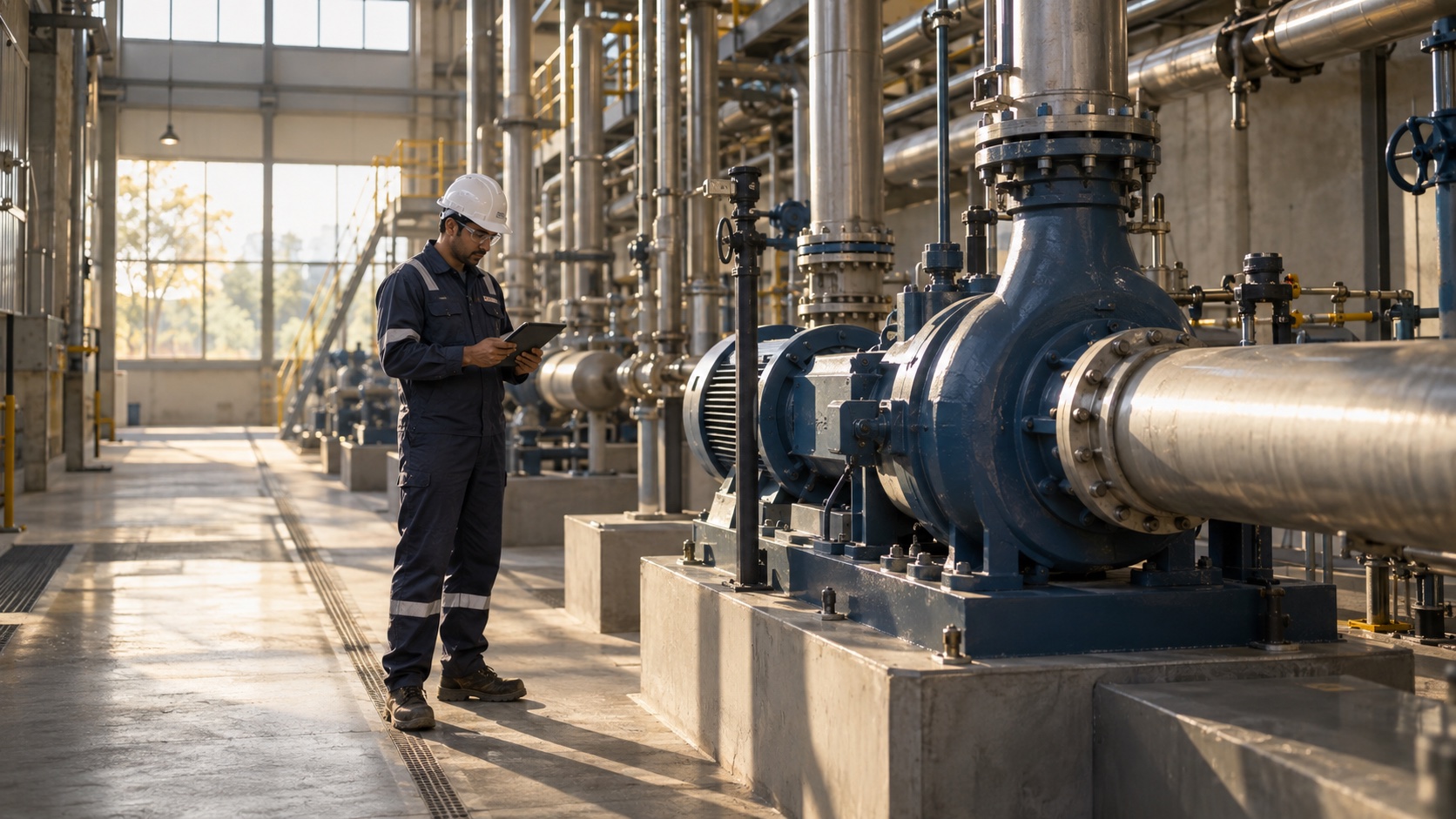
Brownfield
Operate, maintain and modifyThe work of an operating plant, prepared from the drawings, records and systems it already has.
See the brownfield workStart with one task.
- Clean your materials data Duplicate codes, spares nobody can find, and BOMs that no longer match the vendor documents.
- Prepare for a turnaround Work orders reaching mobilization on an old drawing revision, with a spare not in stock or an isolation nobody checked.
- Check process safety information A year of changes, and P&IDs, procedures and cause-and-effect sheets that were never updated to match.
- Evaluate vendor bids Vendor offers that take days to read against the specification, with deviations still missed.
- Prepare plant handover data Dossiers, datasheets and an EAM load that arrive at handover with no tag register tying them together.
Your plant data stays yours.
- Deployed where your policies allow: Raven-managed dedicated, single-tenant, your own cloud account, or a restricted network, on AWS, Azure or GCP.
- Every AI provider in the loop works under zero-retention, zero-training terms. Your documents are processed only to do the work you asked for.
- Role-based access with SSO. Encrypted in transit and at rest. Your data stays inside the deployment boundary you configure.
- SOC 2 Type II audit in progress; the report is shared with customers on completion. Your IT and security team reviews the deployment before go-live.